



Blog
Essential Tips for Selecting a Betta Breeding Pair

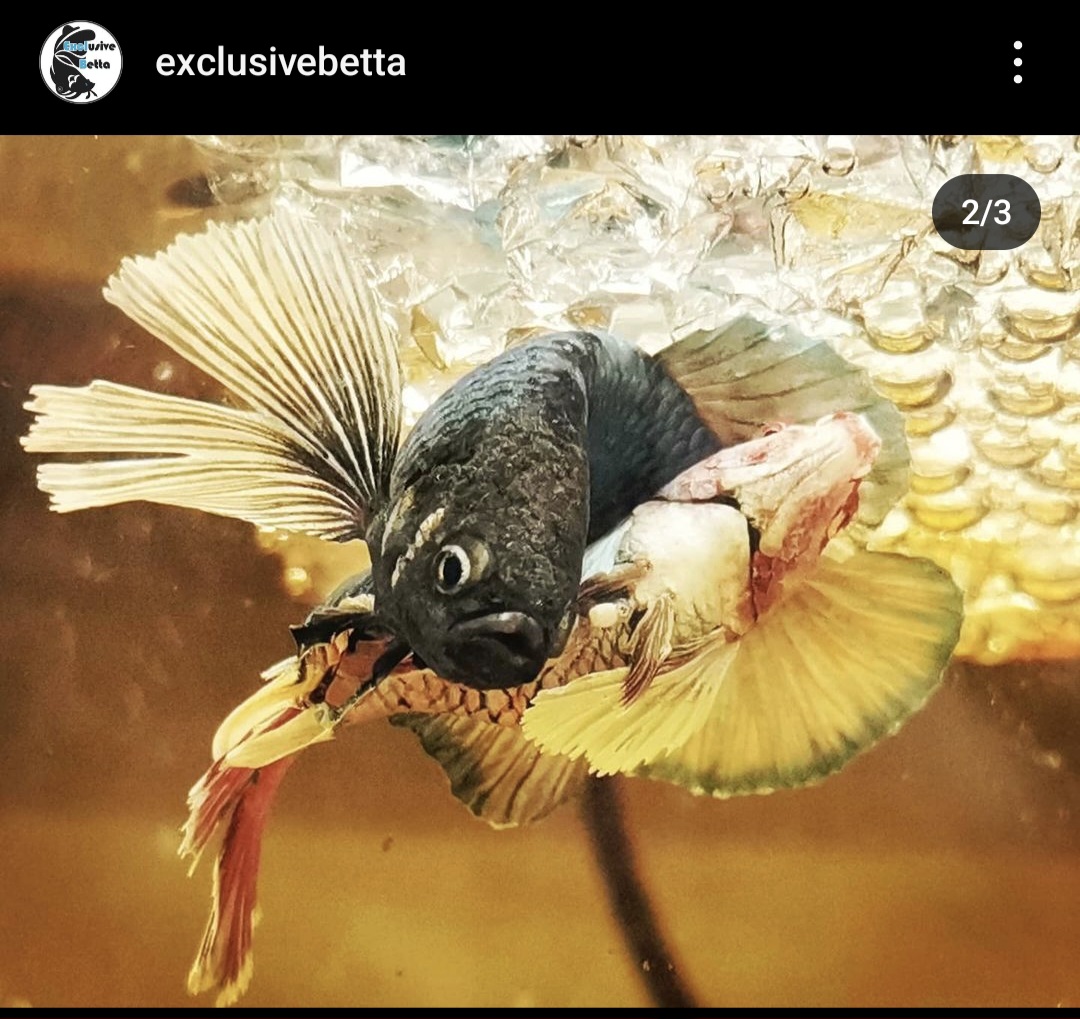
Breeding bettas can be an exciting endeavor for aquarists, but selecting the right breeding pair is crucial for success. Here are some essential tips to consider when choosing bettas for breeding:
- Healthy Specimens: Opt for bettas that exhibit signs of good health. Look for fish with clear, bright eyes, vibrant colors, and intact fins. Avoid individuals showing signs of illness, such as lethargy, fin rot, or discoloration.
- Compatible Personalities: Betta fish are notorious for their aggressive tendencies, especially males. When selecting a breeding pair, ensure compatibility by choosing individuals with relatively calm temperaments. Aggressive or overly territorial fish may struggle to coexist peacefully, leading to potential injuries or failed breeding attempts.
- Color and Fin Type: Consider the desired traits you want to pass on to the offspring. Select bettas with colors and fin types that complement each other well. Whether you’re aiming for vibrant hues, unique patterns, or specific tail shapes, choose breeding pairs that possess the desired genetic traits.
- Pedigree and Lineage: If you’re aiming to produce show-quality bettas, research the lineage of potential breeding pairs. Breeding fish with strong genetic backgrounds increases the likelihood of producing offspring that meet breed standards and exhibit desirable traits.
- Age and Maturity: Optimal breeding age for bettas is typically between five months to two years. Select mature individuals that have reached sexual maturity and are in prime breeding condition. Breeding immature fish can result in unsuccessful spawns or health complications.
- Physical Compatibility: Ensure that the male and female bettas are physically compatible for successful breeding. The male should have a large, full tail to aid in the embrace (known as the “wrap”) during spawning. Females should have a rounded belly, indicating readiness to produce eggs.
- Conditioning Period: Before introducing the breeding pair, provide them with a conditioning period to ensure they are in peak breeding condition. Feed them a nutritious diet rich in protein to enhance fertility and egg production. Conditioning also allows the fish to become familiar with each other’s presence, reducing aggression during the breeding process.
- Breeding Environment: Set up a suitable breeding tank equipped with appropriate nesting and hiding spots. Use a shallow water level (around 6-8 inches) and provide floating plants or a spawning mop for the female to deposit her eggs. Maintain optimal water parameters, including temperature and pH level, to encourage spawning behavior.
- Observation and Patience: Breeding bettas can be a delicate process that requires patience and observation. Monitor the breeding pair closely for signs of courtship, such as bubble nest building by the male and receptive behavior from the female. Be prepared to intervene if aggression or complications arise during the breeding process.
- Genetic Diversity: Avoid excessive inbreeding by selecting breeding pairs from different genetic lines. Avoid excessively breeding the same pairs. Introducing genetic diversity helps prevent the expression of undesirable traits and promotes overall health and vitality in the offspring.
By following these tips and guidelines, aquarists can increase their chances of selecting a compatible and successful betta breeding pair. With proper care, attention, and a bit of luck, breeding bettas can be a rewarding experience that allows enthusiasts to witness the beauty of nature firsthand.