



Blog
Wild-Type Betta Fish: A Glimpse into Nature’s Untamed Beauty

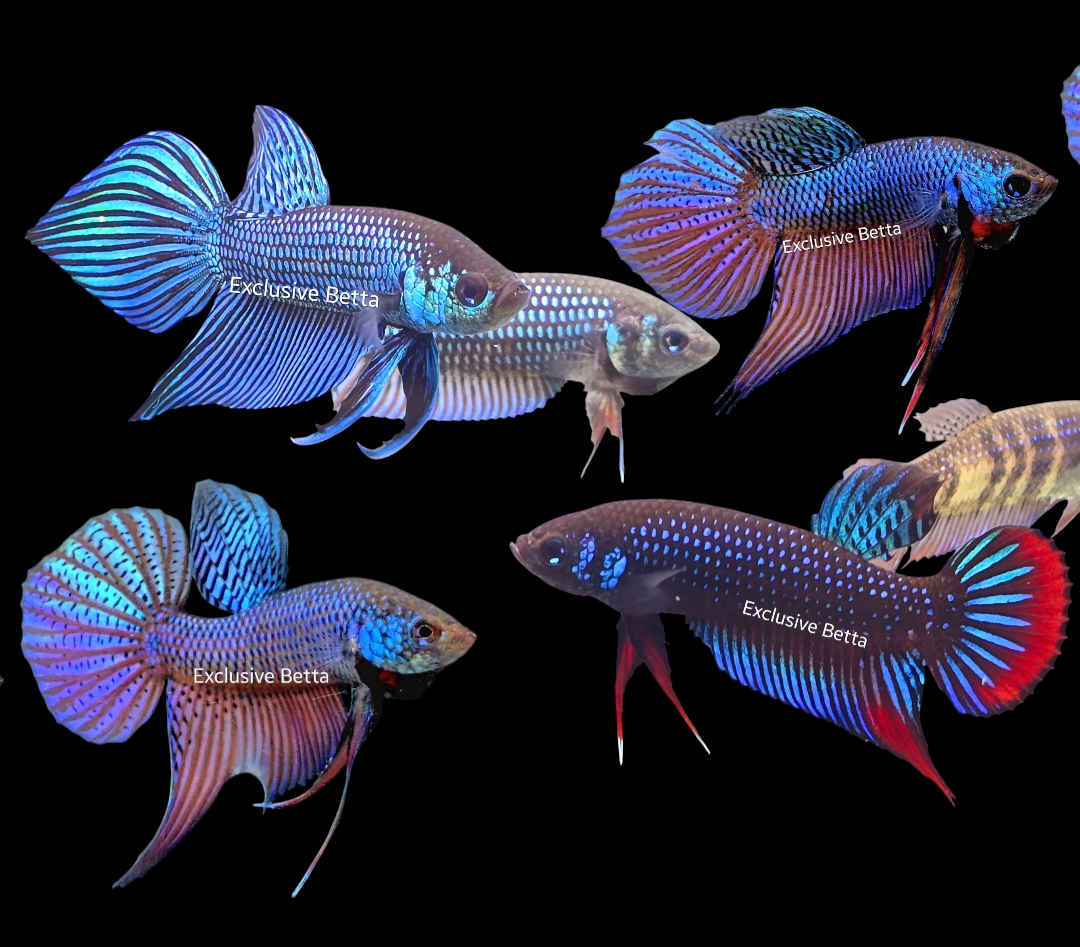
The Betta fish, commonly referred to as the Siamese fighting fish, is one of the most popular freshwater fish in the aquarium hobby. When most people think of bettas, they envision the vibrant colors and flowing fins of selectively bred varieties. However, the wild-type betta—its original, natural form—offers a completely different perspective on this fascinating species. These fish, often overlooked in favor of their ornamental cousins, possess a raw, untamed beauty, remarkable adaptability, and interesting behaviors that make them just as worthy of admiration.
In this article, we’ll explore the appearance, behavior, natural habitat, and care of wild-type bettas, along with their conservation status and why they deserve more attention from hobbyists and researchers alike.
What Are Wild-Type Betta Fish?
Wild-type bettas refer to the naturally occurring forms of Betta species before selective breeding altered their appearance. These fish can be found in their native habitats in Southeast Asia, where they have adapted to survive in extreme environmental conditions. Unlike their domesticated counterparts, wild bettas have evolved for function rather than aesthetics, meaning their fins are shorter, and their colors are more subdued.
There are numerous species within the Betta genus, each with its own distinct characteristics. Some of the most well-known wild-type bettas include:
Betta splendens – The ancestor of the modern domesticated betta, found primarily in Thailand and Cambodia.
Betta imbellis – Known as the “peaceful betta,” this species has a more subdued temperament and metallic green or blue scales.
Betta smaragdina – Often called the “emerald betta” due to its iridescent greenish-blue hues.
Betta mahachaiensis – A species native to Thailand, known for its striking blue-green coloration and adaptability to brackish water.
Mouthbrooding Betta species (e.g., Betta macrostoma, Betta albimarginata) – Unlike bubble-nesting bettas, these species incubate their eggs in their mouths for protection.
Natural Habitat and Adaptations
Wild bettas are found in slow-moving waters such as rice paddies, swamps, ditches, and shallow streams. These environments are often acidic, low in oxygen, and filled with decaying plant matter. To survive in such conditions, bettas have developed a unique adaptation: the labyrinth organ. This specialized structure allows them to breathe atmospheric air, making it possible for them to survive even in water that lacks proper oxygenation.
Their habitat also plays a role in their muted coloration. In the wild, dull brown, green, and blue shades help bettas blend into their surroundings, protecting them from predators like birds and larger fish. However, under certain lighting conditions, their scales display a beautiful iridescence, giving them an understated elegance that is often overlooked.
Behavior and Temperament
Despite being known as “fighting fish,” wild bettas are generally less aggressive than their domesticated relatives. While males still display territorial behavior, their fights tend to be less intense, often involving displays of flaring and chasing rather than outright physical combat. In contrast, selectively bred bettas have been specifically chosen for their heightened aggression, making them more prone to violent encounters.
Wild bettas are also known for their social behaviors. Some species, like Betta imbellis and Betta smaragdina, can be kept in small groups under the right conditions. Mouthbrooding species, such as Betta macrostoma, exhibit fascinating parental care behaviors, with males holding fertilized eggs in their mouths until they hatch.
Another interesting aspect of wild bettas is their adaptability. Some species, like Betta mahachaiensis, can tolerate slightly brackish water, which is unusual for freshwater fish. This adaptability is a testament to their resilience in the face of environmental challenges.
Wild Betta Conservation and Threats
Unfortunately, many wild betta populations are under threat due to habitat destruction, pollution, and the spread of urban development. Rice paddies, which were once prime betta habitats, are being replaced by industrial farms, and the use of pesticides and chemicals has led to a decline in their natural populations. Additionally, over-collection for the aquarium trade has put some species at risk.
Some betta species, like Betta macrostoma and Betta persephone, are classified as endangered or vulnerable. Conservation efforts are being made by organizations and dedicated breeders to protect these fish and their habitats. Sustainable breeding programs, habitat restoration, and responsible fishkeeping practices can help ensure that wild bettas continue to thrive.
Caring for Wild-Type Betta Fish in Aquariums
For those interested in keeping wild-type bettas, it’s important to understand that they have different needs compared to their domesticated counterparts. Here are some key aspects of their care:
1. Tank Setup
Wild bettas thrive in low-flow environments with plenty of live plants and hiding spots. Floating plants, driftwood, and leaf litter help mimic their natural habitat.
Most species require soft, acidic water (pH 5.8–7.2) with temperatures between 74–82°F (23–28°C).
Some species, like Betta mahachaiensis, can tolerate slightly brackish water, but most require fresh water.
2. Diet
Wild bettas are carnivorous and prefer live or frozen foods such as daphnia, brine shrimp, mosquito larvae, and bloodworms.
Some individuals may accept high-quality pellets, but a diet rich in live or frozen foods is best for their health.
3. Tankmates and Compatibility
Some species, like Betta imbellis and Betta smaragdina, can be kept in small groups or with peaceful tankmates like shrimp and small schooling fish.
Aggression levels vary by species, so research is important before attempting to keep them in a community setup.
4. Breeding Wild Bettas
Many wild bettas are bubble nest builders, similar to domesticated bettas. The male constructs a floating nest where the eggs are placed and guards them until they hatch.
Mouthbrooding species require different care, as the male holds the fertilized eggs in his mouth for 10–14 days before releasing the fry.
Why Should We Appreciate Wild-Type Bettas?
Wild-type bettas may not have the extravagant fins and bright colors of their domesticated cousins, but they offer something even more valuable—a direct connection to nature. They are living relics of the species’ evolutionary past, showing us how bettas were originally adapted to survive in the wild.
For aquarium enthusiasts, wild bettas provide a unique fishkeeping experience, allowing hobbyists to recreate natural ecosystems in their tanks. They also play an important role in conservation, as responsible breeding efforts help reduce the pressure on wild populations.
By appreciating and understanding wild-type bettas, we can gain a deeper respect for the natural world and contribute to the protection of these incredible fish.
Final Thoughts
Wild-type bettas are often overshadowed by their selectively bred relatives, but they are just as fascinating—if not more so. Their natural beauty, unique behaviors, and resilience make them a rewarding choice for dedicated aquarists. With proper care and conservation efforts, we can ensure that these remarkable fish continue to thrive both in their native habitats and in captivity.
Would you consider keeping a wild-type betta, or do you prefer the flashier domesticated varieties? Let me know your thoughts in the comments!